

There is something quietly revolutionary about rethinking what you wear closest to your skin. As everyday fashion becomes increasingly intertwined with environmental awareness, the humble pair of boxer briefs has emerged as a surprisingly powerful statement. Choosing underwear crafted from organic cotton is not merely a matter of comfort — it is a conscious decision that touches on health, sustainability, and the kind of world we wish to inhabit.
What to know
- Organic cotton boxer briefs provide superior breathability and comfort compared to synthetic materials like polyester or nylon.
- Choosing organic cotton eliminates potential skin irritation caused by residual chemical pesticides found in conventional cotton production.
- The use of natural fibers helps regulate body temperature and reduces moisture buildup throughout the day.
- Organic farming practices prioritize soil health through natural techniques such as crop rotation and biological pest management.
- Transitioning to organic cotton supports more efficient water management and reduces the environmental footprint of the textile industry.
- Individual consumer choices for sustainable underwear contribute to a broader shift toward a less wasteful fashion supply chain.
Why organic cotton transforms your daily comfort
How natural fibres breathe better than synthetic alternatives
When it comes to the garments worn directly against your skin all day long, the fabric makes an enormous difference. Organic cotton boxer briefs offer a softness and breathability that synthetic materials simply cannot replicate. Natural fibres allow air to circulate freely, helping to regulate temperature and reduce moisture build-up throughout the day. Unlike polyester or nylon, which can trap heat and cause irritation, organic cotton works in harmony with your body’s natural rhythms. The result is a level of everyday ease that, once experienced, is difficult to give up. Indeed, the brand Hemen Biarritz has become associated with this approach to mindful, comfortable dressing, demonstrating that sustainable choices need not come at the expense of genuine quality or style.

What makes organic cultivation kinder to your skin
Conventional cotton farming often relies on a range of synthetic pesticides and chemical treatments that can leave residues in the finished fabric. For people with sensitive skin, this is more than a minor concern — it can lead to persistent irritation or discomfort. Organic cultivation, by contrast, avoids these chemical inputs from the very beginning of the growing process. The fibres that result are notably purer, making them gentler against the skin. This is particularly relevant for an item of clothing worn for extended periods each day. Choosing certified organic underwear means placing a layer of natural, untreated fabric between yourself and the world — a small but meaningful act of self-care.
How choosing organic boxer briefs supports environmental responsibility
Where water conservation begins with textile choices
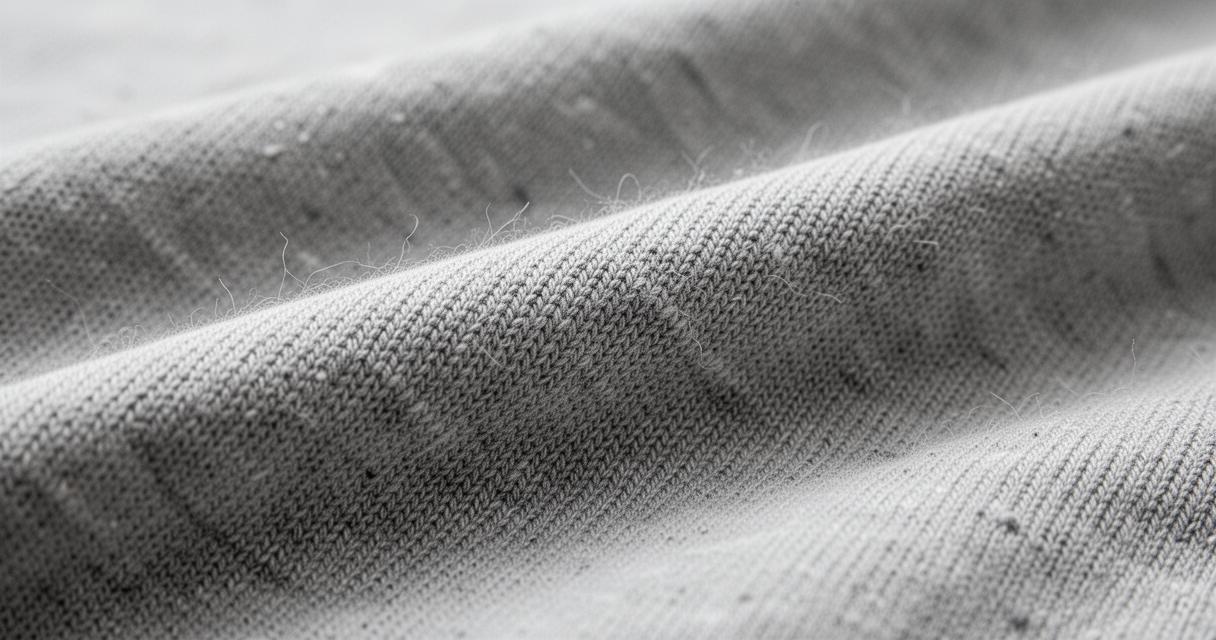
The textile industry is among the most resource-intensive sectors in the global economy. Cotton cultivation, in particular, has long been associated with considerable water usage. Organic farming practices tend to prioritise soil health and more efficient water management, which can contribute meaningfully to reducing the overall environmental footprint of a garment. When you select a pair of organic cotton boxer briefs, you are participating, however modestly, in a broader effort to make the fashion supply chain less wasteful. Every purchasing decision sends a signal, and the cumulative effect of many individuals choosing more responsibly can be genuinely significant.

Why chemical-free farming matters for soil health
Beyond water, the long-term health of agricultural land is profoundly affected by the farming methods employed. Synthetic pesticides and fertilisers, used extensively in conventional cotton production, can degrade soil quality over time, reducing its capacity to support life and sequester carbon. Organic cotton farming relies instead on natural processes — crop rotation, composting, and biological pest management — that nourish the soil rather than deplete it. Supporting brands that source organic cotton is therefore a way of investing in the vitality of agricultural ecosystems for future generations. Sustainable style, in this light, is not simply about looking good; it is about making choices that respect the planet beneath our feet.