
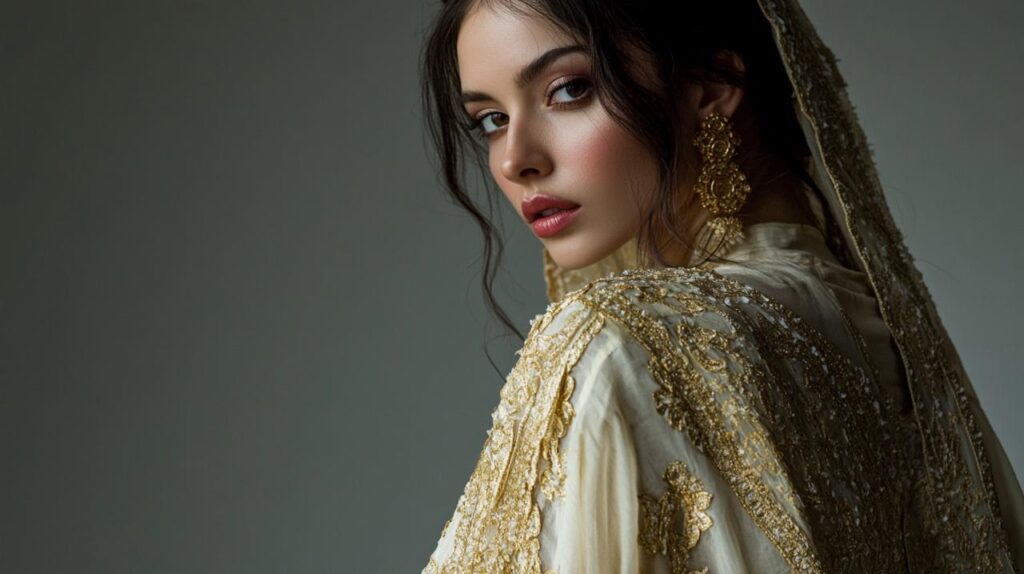
The world of Arab fashion stands at a fascinating crossroads where centuries-old traditions meet contemporary style movements. For those seeking to honour their heritage whilst embracing modern aesthetics, the journey involves thoughtful curation, creative layering, and an appreciation for both cultural symbolism and current design trends. This approach allows individuals to express their identity through clothing that respects religious values and cultural roots whilst remaining effortlessly chic and relevant in today's global fashion landscape.
Understanding the Foundations: Traditional Arab Garments and Their Contemporary Evolution
Classic pieces that define arab fashion heritage
At the heart of Arab dress lies a collection of garments steeped in cultural significance and spiritual meaning. The abaya, a long flowing cloak traditionally worn in black, serves as a cornerstone of modest elegance for women. This garment, often paired with a shayla or sheila headscarf, embodies both religious devotion and understated sophistication. For men, the kandura, also known as dishdasha or thobe, presents a pristine white robe that symbolises purity and simplicity. Completing this ensemble, the ghutra headscarf secured with an agal black cord creates a distinctly dignified silhouette. Beneath the abaya, women often wear jalabiya, vibrant dresses reserved for celebrations and special gatherings, whilst the keffiyeh represents another iconic textile rich with regional heritage. These pieces carry within their seams stories of identity, community, and faith that have been passed down through generations.
Modern interpretations of timeless silhouettes
Today's Arab fashion landscape reveals an exciting evolution as designers reimagine these classic garments with fresh perspectives. The abaya has transformed from a simple black cloak into a canvas for artistic expression, now featuring intricate embroidery, delicate beadwork, and luxurious lace detailing. Contemporary variations embrace a spectrum of colours and fabrics that extend far beyond traditional choices. Similarly, the kandura has evolved to include various hues and embellished details whilst maintaining its essential form. Designers are tailoring these garments with more structured fits, creating abayas that echo the elegance of evening gowns and kanduras with refined cuts that suit modern lifestyles. This creative reinterpretation extends to accessories as well, with traditional items like the khanjar curved dagger now appearing as symbolic decorative elements rather than functional pieces. The result is a wardrobe that respects cultural foundations whilst engaging with global fashion conversations, particularly within the growing modest fashion movement.
Styling techniques: blending heritage pieces with current fashion sensibilities
Accessorising Traditional Garments for a Modern Edge
The art of accessorising offers endless possibilities for transforming traditional Arab clothing into contemporary statements. Women can elevate a simple abaya by incorporating statement jewellery such as gold necklaces, amber pieces, or diamond accessories that catch the light beautifully. Hijab pins and brooches serve both functional and decorative purposes, adding sparkle and personality to headscarves. Meanwhile, men are embracing accessories like elegant watches, prayer rosaries, and designer cufflinks that complement the clean lines of the kandura. The key lies in selecting pieces that enhance rather than overwhelm the garment's inherent elegance. A carefully chosen handbag, a pair of sophisticated shoes, or even sunglasses can bridge the gap between traditional dress and modern street style. For those shopping at establishments like Amani's London shop, which offers a curated selection of modest fashion alongside accessories, the opportunity to coordinate heritage pieces with contemporary accents becomes readily accessible. These finishing touches demonstrate that modest elegance need not sacrifice fashion-forward thinking.
Mixing fabrics and textures across cultural boundaries
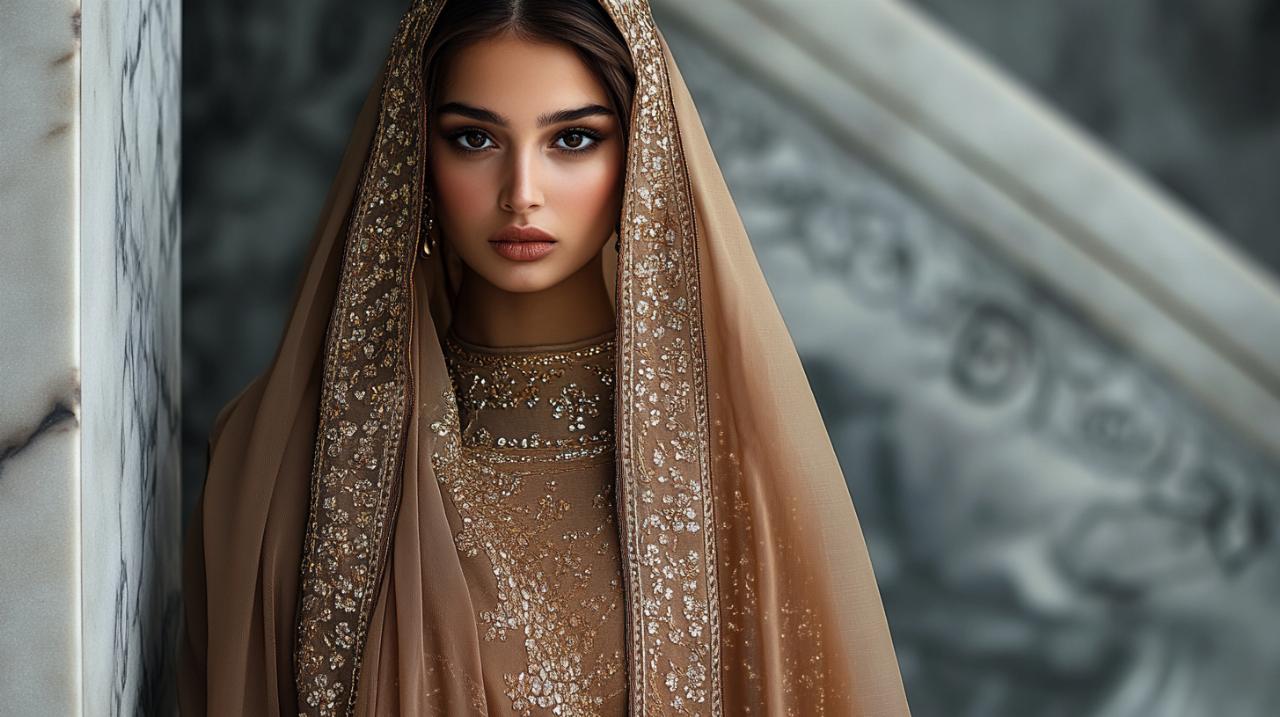
One of the most effective methods for modernising Arab dress involves thoughtful fabric and texture combinations. Traditional garments crafted from flowing silk, lightweight cotton, or luxurious crepe can be paired with structured blazers, denim jackets, or leather accessories to create interesting contrasts. Layering a contemporary fitted turtleneck beneath an open abaya, for instance, offers a fresh silhouette that feels both modest and current. The incorporation of eco-friendly fabrics reflects growing sustainability concerns whilst maintaining the quality and drape essential to these garments. Traditional handcrafting techniques such as Sadu weaving or Zari embroidery provide textural interest that elevates simple pieces into works of wearable art. When mixing cultural elements, the goal is not to dilute tradition but rather to create dialogues between different aesthetic languages. A thobe paired with modern trainers, or a jalabiya worn with a tailored coat, demonstrates how Arab clothing can adapt to diverse settings whilst retaining its essential character. This approach particularly resonates during celebrations like National Day, religious events, or family gatherings where cultural pride meets personal style expression.
Building a Versatile Wardrobe: Practical Tips for Everyday Elegance
Curating key pieces that work for multiple occasions
Creating a wardrobe that honours heritage whilst embracing modernity begins with selecting versatile foundation pieces. Investing in a well-tailored black abaya that features subtle embellishments allows for easy transition from daily errands to formal events simply by changing accessories. Similarly, a crisp white kandura serves as a reliable base that works across various settings. For women, having both understated abayas and more decorative versions ensures appropriate options for different occasions, whilst kaftans and modest dresses offer alternative silhouettes that maintain cultural values. Children's clothing that mirrors these principles introduces younger generations to their heritage in age-appropriate ways. Shopping destinations offering international shipping make it easier to access quality pieces regardless of location, whilst affiliate programmes can provide added value for frequent purchasers. The philosophy of shopping with heart and giving back, as promoted by retailers focused on Islamic clothing and Emirati fashion, adds meaningful dimension to wardrobe building. By choosing pieces that serve multiple purposes, individuals create sustainable wardrobes that resist fast fashion trends whilst remaining relevant and beautiful.
Colour Palettes and Patterns That Bridge Tradition and Modernity
Whilst traditional Arab dress often gravitates towards black, white, and earth tones, contemporary interpretations embrace expanded colour palettes that maintain modest elegance. Jewel tones like emerald, sapphire, and ruby bring richness without compromising sophistication, whilst pastels offer softer alternatives for daytime wear. Patterns present another avenue for expression, with geometric designs nodding to Islamic art traditions and floral motifs adding feminine grace. The key lies in balancing boldness with restraint, allowing patterns to enhance rather than dominate the garment. Traditional embroidery techniques like tatreez provide authentic cultural references whilst appearing thoroughly modern in execution. For those exploring UAE culture or Saudi fashion influences, understanding regional preferences regarding colour and pattern helps inform choices that feel both personal and culturally grounded. Mixing solid-coloured traditional pieces with subtly patterned contemporary items creates visual interest without overwhelming the eye. This thoughtful approach to colour and pattern demonstrates that respecting cultural identity and embracing current fashion sensibilities need not be opposing forces but rather complementary aspects of a well-considered personal style that celebrates both heritage and the present moment.